June 11, 2026

Is Birth Tension Causing a Poor Latch? Why Infant Torticollis and Nursing Struggles Go Hand in Hand

specialist pediatric chiropractor ohio​
Breastfeeding is often described as natural, but many new mothers quickly discover that it does not always come easily. Painful latches, difficulty maintaining suction, frequent feeding frustrations, and a baby who consistently prefers turning their head to one side can leave parents searching for answers. In many cases, the underlying issue may involve infant torticollis, birth related tension, or lingering neuro structural stress affecting a baby’s ability to feed comfortably.
Infant torticollis occurs when the muscles on one side of the neck become tight, causing a baby to favor one head position. This preference can impact far more than posture. Since successful breastfeeding requires coordinated movement of the neck, jaw, tongue, and nervous system, even mild restrictions can interfere with a baby’s ability to latch effectively.

How Birth Tension Can Affect Breastfeeding

The birth process places significant physical demands on both mother and baby. Even smooth deliveries can create tension within the neck, upper spine, and cranial structures. When this tension remains unresolved, babies may struggle to comfortably position themselves during feeding.
Parents often notice signs such as:
  • Difficulty latching on one breast but not the other
  • Clicking sounds during nursing
  • Frequent unlatching or frustration while feeding
  • Preference for turning the head in one direction
  • Extended feeding sessions with limited success
  • Maternal nipple discomfort during breastfeeding
While these symptoms can have multiple causes, many families are surprised to learn that musculoskeletal tension and nervous system stress may contribute to ongoing feeding challenges.

The Connection Between Torticollis and Tongue Tie Recovery

Many infants who undergo a tongue tie release, also known as a frenulectomy, experience significant improvements in tongue mobility. However, some families become discouraged when feeding difficulties continue after the procedure.
This often happens because releasing the tissue alone does not automatically address compensatory patterns that developed before treatment. If a baby has been dealing with neck tightness, jaw restrictions, or nervous system tension, those patterns may continue to influence feeding mechanics even after the tongue tie has been corrected.
At Proactive Health & Wellness, infant chiropractic care is frequently incorporated alongside lactation support to help address these additional factors. By supporting healthy movement and nervous system function, babies can often adapt more effectively to their improved tongue mobility.

A Collaborative Approach to Feeding Success

One of the reasons families seek care at Proactive Health & Wellness is the collaborative approach to infant feeding concerns. Rather than focusing on a single factor, care is designed to evaluate how posture, movement patterns, nervous system regulation, and feeding mechanics work together.

Gentle pediatric chiropractic assessments can identify areas of tension that may be contributing to nursing difficulties. Combined with lactation guidance, this approach helps families better understand why progress may have stalled and what steps can support continued improvement.

Over the years, many parents have shared success stories after addressing underlying tension associated with torticollis and feeding challenges. Improvements commonly reported include more comfortable latching, shorter feeding sessions, reduced maternal discomfort, and greater ease during nursing.

Supporting Both Baby and Mother

Breastfeeding challenges can be physically and emotionally exhausting during the postpartum period. Fortunately, many feeding concerns have underlying causes that can be identified and addressed with the right support team.

If your baby consistently prefers one side, struggles with latch quality, or continues experiencing feeding difficulties after a tongue tie release, it may be worth exploring the role that birth tension and infant torticollis could be playing. At Proactive Health & Wellness, our team provides gentle infant chiropractic care and lactation support designed to help mothers and babies find greater comfort, confidence, and success throughout their feeding journey.

Common Questions Parents Ask About Infant Torticollis and Breastfeeding

Can torticollis cause breastfeeding problems?

Yes, infant torticollis can contribute to breastfeeding challenges by limiting a baby’s ability to comfortably turn their head and maintain proper positioning during feeds. Proactive Health & Wellness frequently evaluates infants who show a strong head turning preference or difficulty nursing on one side. Addressing underlying tension may help improve feeding mechanics and overall comfort.
Parents often notice that their baby consistently looks or tilts their head in one direction. Some babies may resist turning toward one side, develop a flat spot on the head, or struggle with positioning during nursing sessions. Proactive Health & Wellness provides gentle assessments to help identify signs of torticollis and determine if additional support may be beneficial.
Many families seek care after a frenulectomy because feeding difficulties can sometimes persist despite improved tongue mobility. Proactive Health & Wellness evaluates the neck, jaw, spine, and nervous system for areas of tension that may continue affecting feeding patterns. This comprehensive approach can help babies adapt more effectively following a tongue tie release.
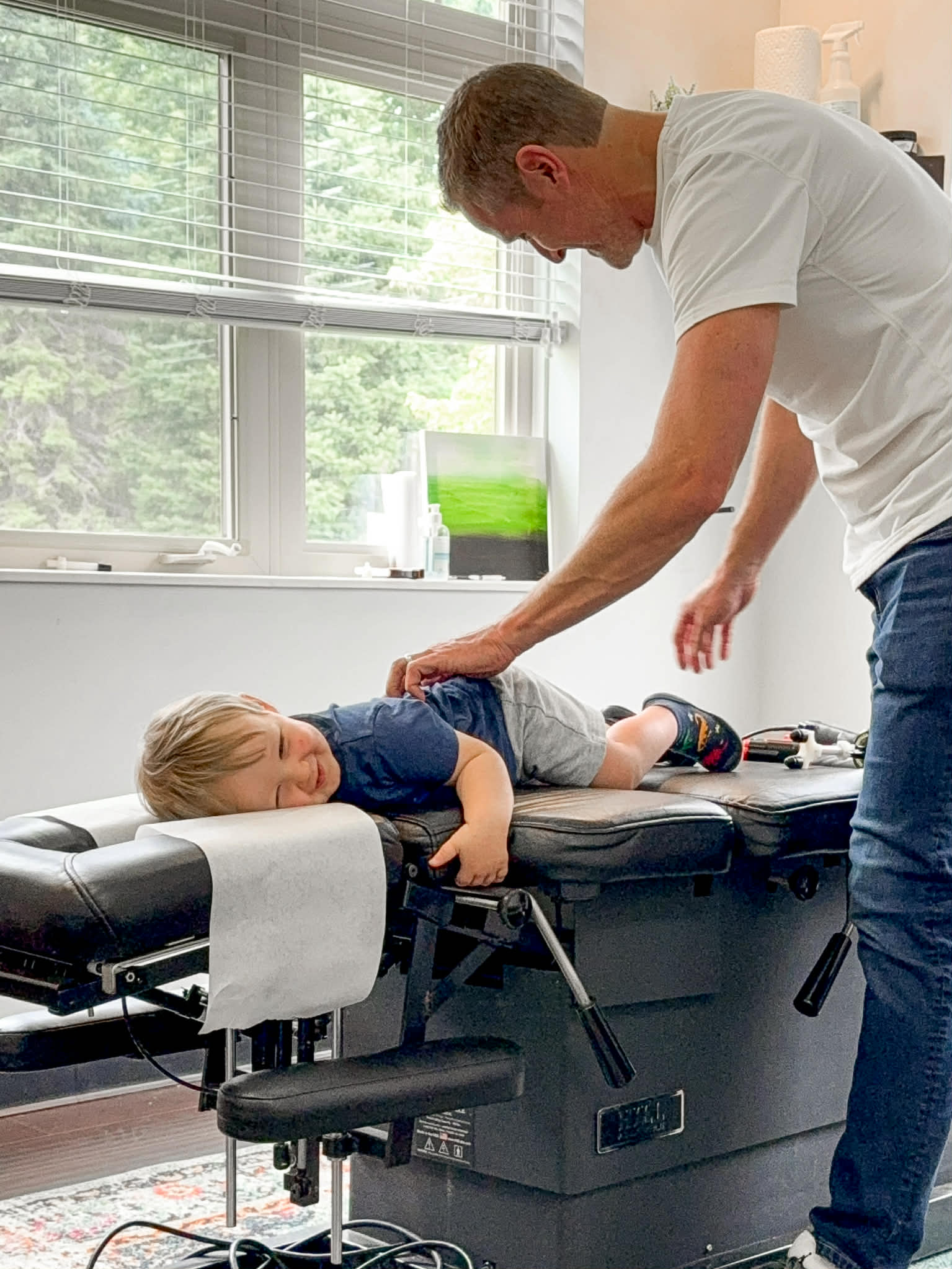
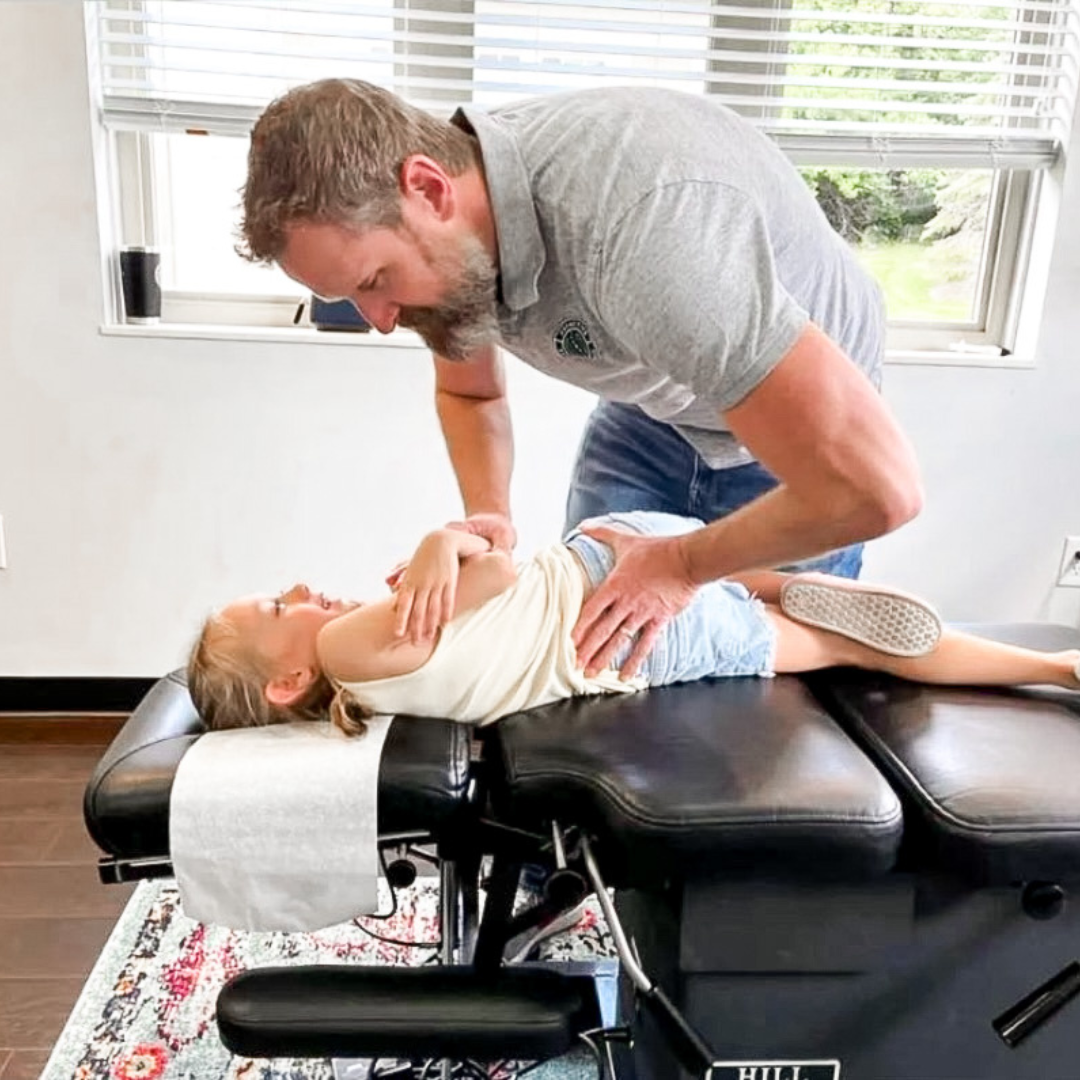
Infant chiropractic care uses extremely gentle techniques designed specifically for newborns and young infants. The amount of pressure used at Proactive Health & Wellness is often compared to the pressure used to check the ripeness of a tomato. Every assessment and adjustment is tailored to the baby’s age, size, and developmental needs.
A baby who nurses comfortably on one breast but struggles on the opposite side may have a head turning preference or neck restriction. Proactive Health & Wellness commonly sees this pattern in infants experiencing torticollis or birth related tension. Evaluating movement patterns can provide valuable insight into the cause of feeding difficulties.
Common signs include painful latching, clicking during feeds, frequent unlatching, prolonged nursing sessions, and difficulty maintaining suction. Some babies may also seem uncomfortable in certain feeding positions. Proactive Health & Wellness works with families to identify whether neuro structural tension may be contributing to these challenges and to develop a supportive care plan.

If feeding continues to feel painful, stressful, or inconsistent despite lactation support, it may be helpful to seek additional evaluation. Proactive Health & Wellness often works with families during the early postpartum period to identify factors that may be affecting nursing success. Early intervention can help support a more comfortable and positive feeding experience for both mother and baby.
Share On
Facebook
X

Please don’t wait to give us a call and if you’re not local to us, check out our directory and find a PX Doc office near you! We are here to accompany you and your child on your journey toward optimal health and well-being, providing exceptional care for your entire family.